
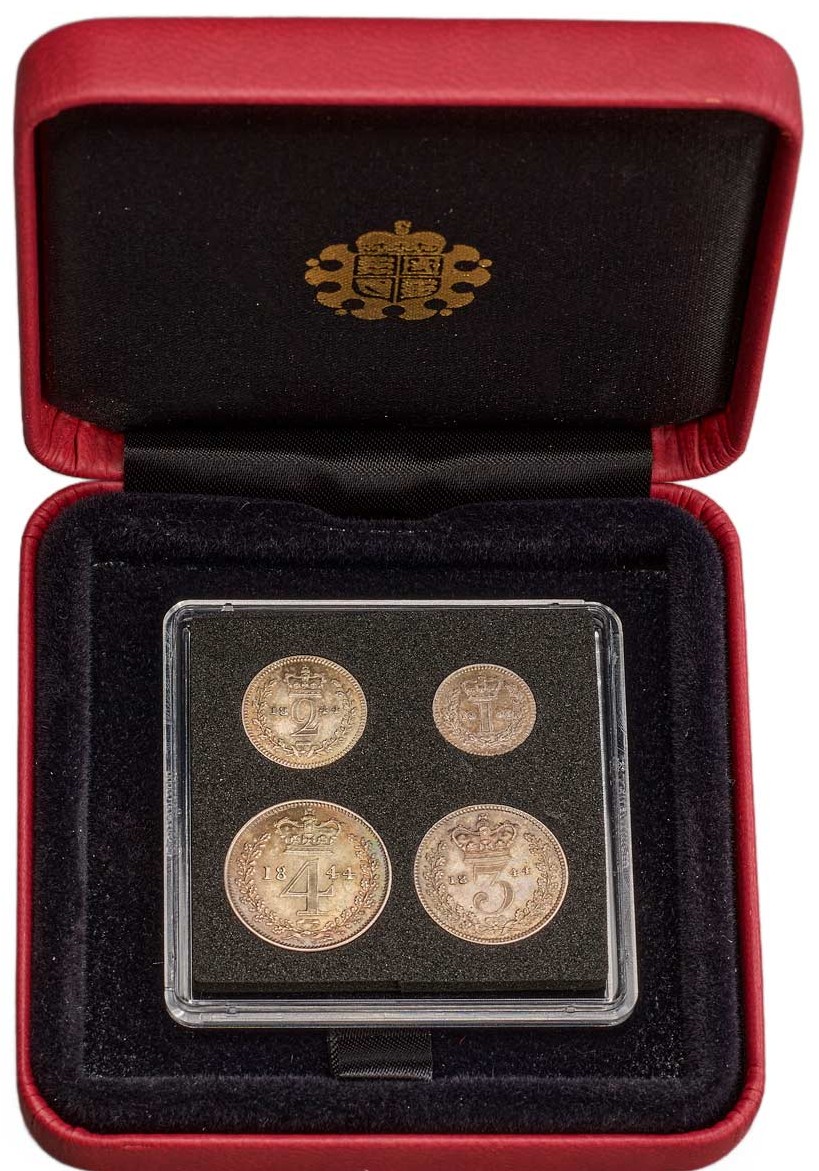
The Royal Mint remains at the centre of one of Britain’s oldest ceremonial traditions, producing the distinctive silver coins distributed each year during the Royal Maundy service held on Maundy Thursday.
According to the Royal Mint and historical sources, the ceremony traces its origins to early Christian practice and the Latin word mandatum, meaning “command.” This refers to Christ’s instruction to “love one another” following the washing of his disciples’ feet at the Last Supper. Wikipedia notes that the observance of Maundy Thursday also commemorates this act of humility, along with the Last Supper and related events of Holy Week.
By the fourth century, monarchs had adopted the custom of washing the feet of the poor and distributing gifts of food, clothing and money. The modern form of the ceremony dates to the reign of Charles II. In 1662, the king introduced the distribution of specially struck coins, replacing earlier forms of almsgiving.
The Royal Mint notes that by 1670, a standardized set of four silver coins valued at four pence, three pence, two pence and one penny had been introduced. These coins have changed very little over the centuries and continue to be struck in sterling silver.
Today, the Royal Mint produces Maundy coins specifically for ceremonial use rather than circulation. Each year on Maundy Thursday, the monarch presents the coins to selected recipients, typically older individuals recognized for their service to the church or their communities.
Recipients are chosen to match the age of the sovereign, and each person receives Maundy money equal in pence to that age, traditionally presented in a white purse.
As highlighted by both the Royal Mint and historical references, the ceremony continues to reflect themes of humility, service and charity. The coins themselves serve as enduring symbols of a tradition that links modern Britain with centuries of royal and religious history.
The Royal Mint is offering a limited selection of historic Maundy coin sets, with some examples dating back to the mid-1800s. For more information, visit the Royal Mint’s website.