
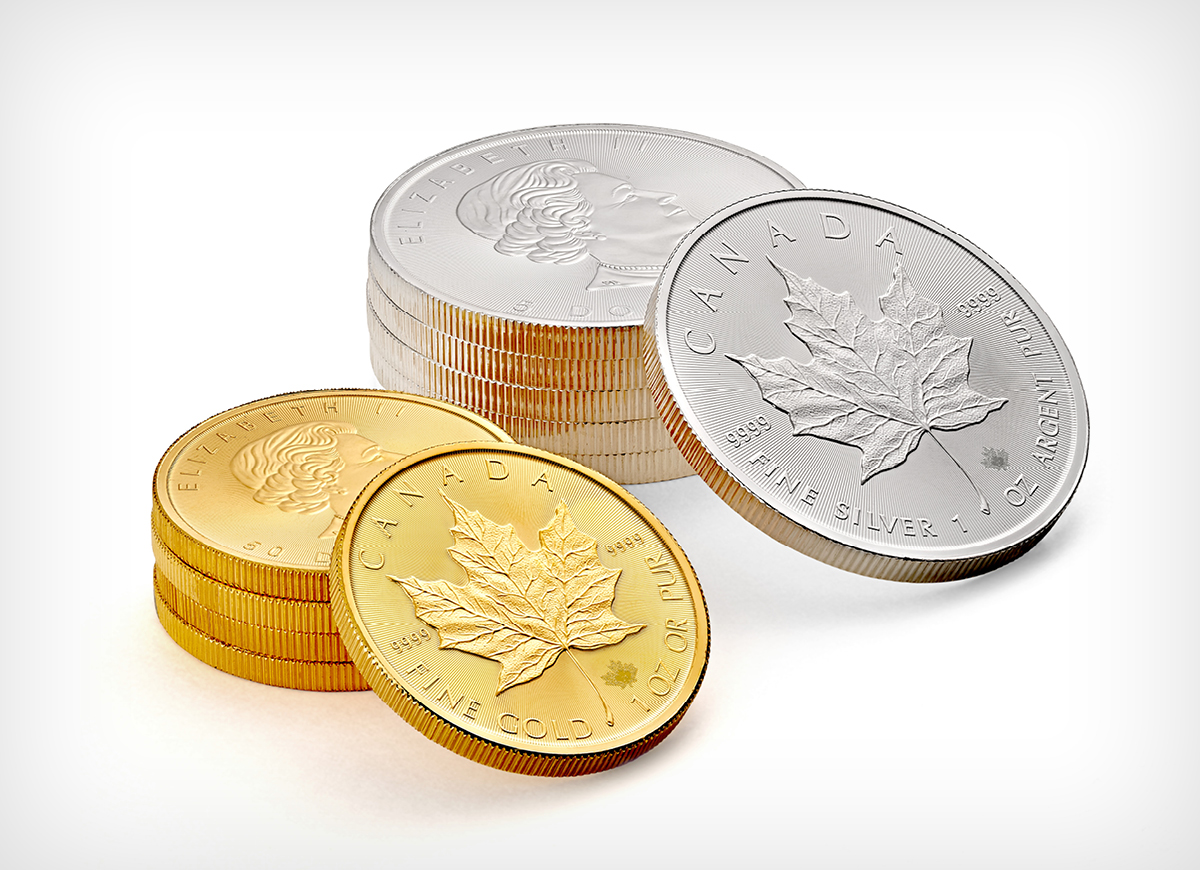
After reaching record highs earlier this year, both gold and silver have experienced dramatic reversals, highlighting how quickly sentiment can shift across bullion markets.
The latest volatility follows the escalating U.S.-Iran conflict, which began on Feb. 28 when the United States and Israel launched coordinated strikes against Iranian nuclear and military targets after nuclear negotiations collapsed.
Gold opened May at about $6,275 per ounce before climbing above $6,520 by May 11. Since then, prices have retreated sharply, with gold trading near $6,245 on May 21.
Silver has shown even greater volatility. After beginning May near $102 per ounce, silver surged to almost $120 by May 13 before falling back toward $104 by May 21.
| Date | Gold per ounce | Silver per ounce |
|---|---|---|
| May 1 | $6,274 | $102 |
| May 6 | $6,394 | $105 |
| May 8 | $6,446 | $110 |
| May 11 | $6,523 | $119 |
| May 13 | $6,427 | $120 |
| May 14 | $6,375 | $115 |
| May 15 | $6,318 | $105 |
| May 19 | $6,266 | $106 |
| May 20 | $6,246 | $104 |
| May 21 | $6,245 | $104 |
The swings come only months after bullion prices hit historic highs in January before plunging following a stronger U.S. dollar and renewed concerns over future interest rates.
Analysts say bullion markets are now reacting to competing pressures. Geopolitical instability traditionally boosts safe-haven demand for gold and silver, while rising oil prices have renewed fears that inflation could remain elevated longer than expected.
Oil prices have also climbed sharply amid the conflict, with Brent crude recently trading above $112 U.S. per barrel.
Silver continues to show especially sharp movements because of its dual role as both a precious metal and an industrial commodity tied to electronics, renewable energy and artificial intelligence technologies.
Despite the volatility, Canadian bullion dealers continue reporting strong retail demand for physical gold and silver products.