
Silver prices came under renewed pressure Monday morning, Nov. 16, falling below US$48 an ounce as precious metals continued to experience significant price swings. According to Kitco, silver was trading at US$47.54 an ounce shortly after 8 a.m. EST, down US$1.09, or 2.25 per cent, from the previous trading session.
The decline follows a period of considerable volatility in precious metals, with silver experiencing sharper percentage movements than gold. Silver’s smaller market and its dual role as both an investment and industrial metal can contribute to more pronounced price fluctuations, particularly when investors reassess economic conditions and expectations for interest rates.
Market attention remains focused on the outlook for U.S. interest rates, inflation and the strength of the American economy. Higher bond yields can make non-interest-bearing assets such as silver less attractive to investors, while changes in the U.S. dollar can influence demand for precious metals. Industrial demand also remains an important consideration, given silver’s widespread use in electronics, solar energy and other manufacturing applications.
For Canadian collectors and bullion investors, movements in the U.S.-dollar silver price tell only part of the story. The exchange rate between the Canadian and American dollars can either cushion or amplify changes in the metal’s value when expressed in Canadian currency. Retail prices for physical silver products also include dealer premiums, which can vary according to demand, availability and the type of product being purchased.
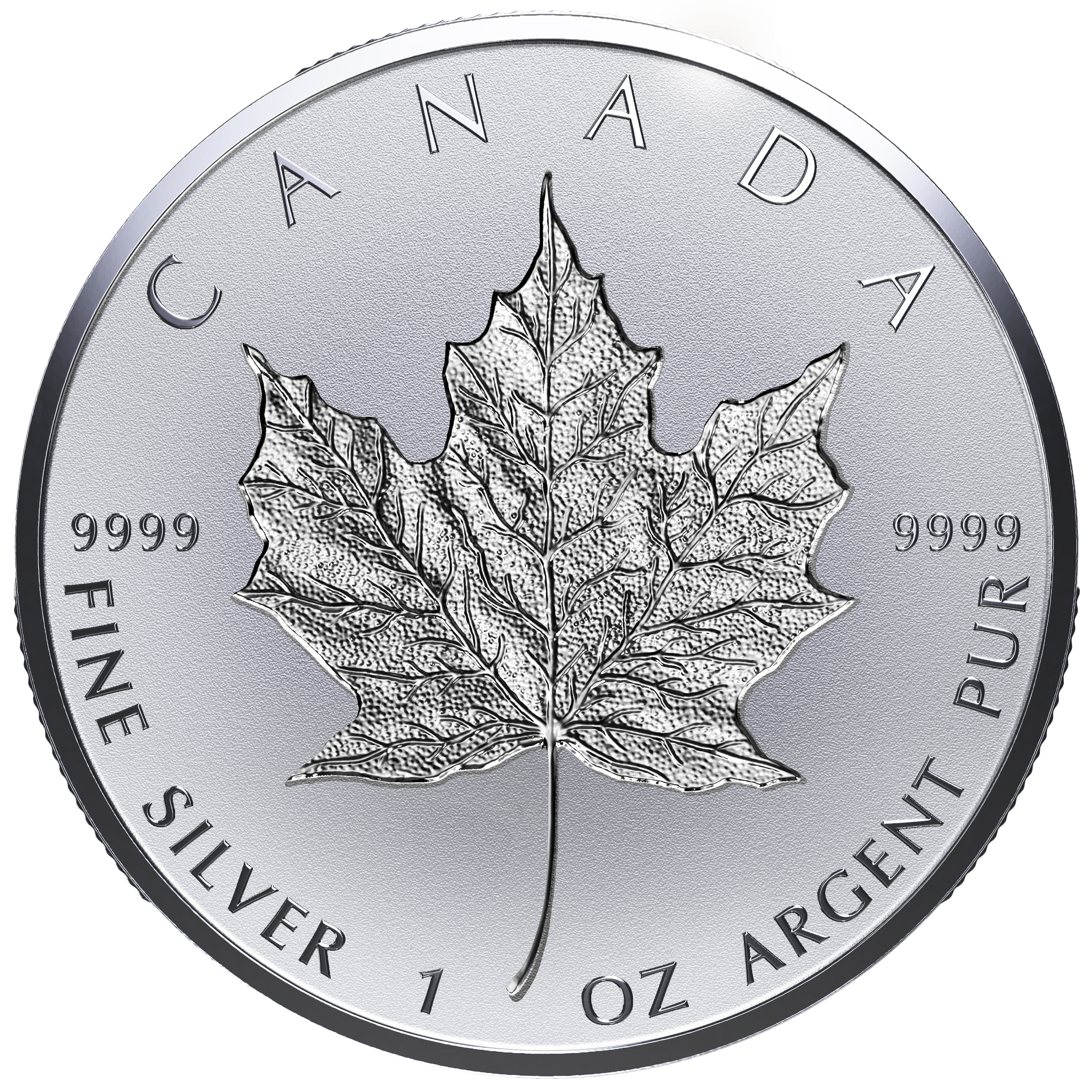
The fluctuations are particularly relevant to collectors purchasing silver Maple Leaf bullion coins and other products issued by the Royal Canadian Mint. While the intrinsic value of these coins generally follows the silver market, their retail prices also reflect fabrication, distribution and dealer costs. Older Canadian silver coins, meanwhile, may carry numismatic premiums that are influenced more by condition, scarcity and collector demand than by daily movements in bullion prices.
With precious metals continuing to experience significant swings, collectors and investors face different considerations. Bullion buyers generally focus on metal content, premiums and long-term price movements, while numismatic collectors must also assess a coin’s condition, availability and collector appeal. For both groups, the latest decline serves as another reminder that changes in international silver prices do not necessarily translate into equivalent changes in the prices paid for collectible coins.